
Having a desk job doesn’t need to mean living with back or neck pain. It’s important to know the common causes of discomfort and how you can take the right steps to deal with it. Here we’ll go through everything you need to avoid that back pain desk job and work in comfort.
From an ergonomic office chair to avoiding poor posture, you’ll get all the tools you need to make office back pain a thing of the past. By the time you get to the end, you’ll know exactly what needs to be done. Let’s get started!
Common Causes
Back pain is very common and can be caused by a lot of factors, which a doctor can identify from minor to major. Back pain can be caused by,
- Repetitive tasks – Doing repetitive tasks that put pressure on the muscles of your back and strain them. This can also cause wrist pain and sore back muscles
- Sudden movement – If you are physically unfit, then putting strain on your back by lifting heavy items or making sudden movements, can cause muscle spasms
- Bad posture – If your posture is bad on your office chair, then the strain is put on the wrong muscles which can result in back pain. It happens when you slide back and forth when working, or overly relax your back due to fatigue. These positions can affect the spinal ligaments, stretching them too much and thus affecting your spinal disks
- Incorrect phone use – If you have a phone between your ear and shoulder during work a lot, that can also create tension along your spine, leading to a back pain
- Prolonged sitting – Sitting for a prolonged period of time on your office chair can cause stiffness and discomfort while working and can result in back pain
- The workspace – If you do not have space to manoeuvre easily at work and do not have space to stretch, or need to stretch out or twist frequently to pick things up, then you can develop back pain
- Stress – Unhealthy lifestyle and a lack of exercise are also a major cause for back pain
If the back pain is serious, the pain tends to be sharp and shooting, rather than an ache or a sore feeling. This can be due to medical reasons, such as:
- Ruptured or bulging disks – These are the disks that cushion the vertebrae in the spine. The soft material between them can bulge or rupture causing severe pain. These are often found when people get x-rays for some other reason, so it needs to be kept in mind
- Arthritis – This can affect the lower back
- Osteoporosis – This is when the bones become porous and brittle leading to fractures in the spine
Warning signs
While back pain can be due to a strain or muscle getting pulled, it can also be serious. It is important to be aware of the warning signs and get yourself checked by a doctor as soon as possible.
Most pain goes away within a few days with home treatment. It is problematic if the pain:
- Is lasting longer than a few weeks
- Is severe and does not improve with rest
- Goes down to one or both legs, especially if the pain goes as far down as your knees
- Is causing numbness, tingling or weakness in one or both legs
- You suffer from a lack of appetitive resulting in a sudden loss in weight
- If there are accompanied bowel or bladder problems
- Causes a fever
- Comes right after a fall, injury or blow to the back
If you suffer from the above symptoms along with your back pain, get yourself checked by a doctor.
How to reduce back pain at work

If your back pain is not because of a medical issue that requires medical intervention, then there are quite a few things you can do to save yourself from the pain and prevent backaches. The most important thing when dealing with back pain is figuring out the reason the pain in your office job is occurring so that we can resolve it.
If the problem is because of your posture then it needs to be corrected. If it is because of your chair, physical health or mobility, then we can choose a course of action to take to improve back pain and have a better quality of life.
Set up an ergonomic workspace
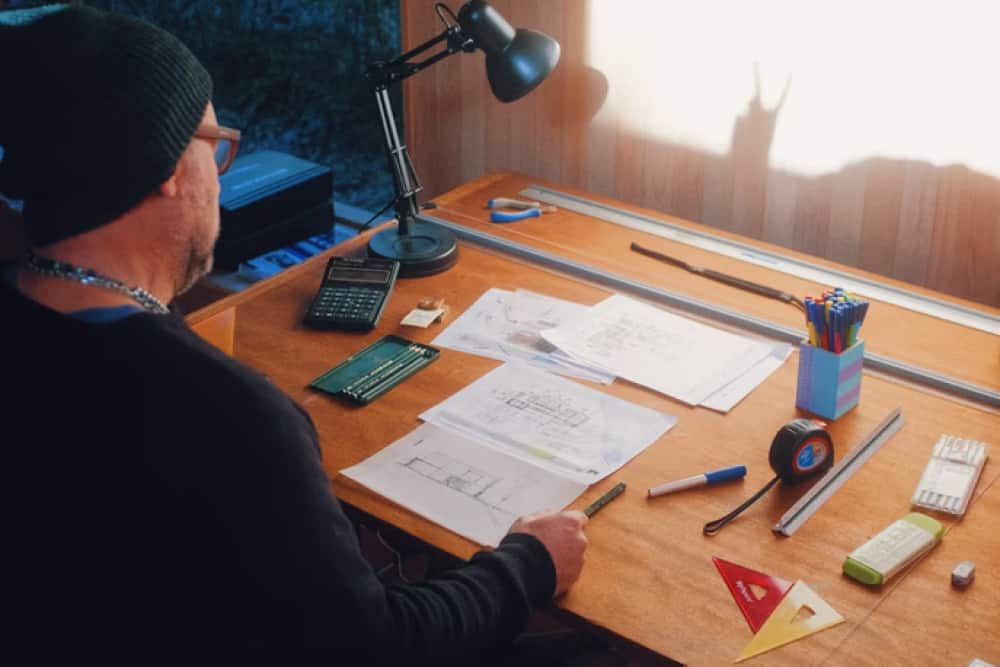
Ergonomics is the method of changing your workspace so that it will give you maximum comfort. This is especially vital for people working from home. Setting up an ergonomic workspace reduces your discomfort, reduces stress, increasing productivity and efficiency.
It involves thinking about you’re your workstation is set up, how far away the items that you need are, what is the angle of the computer monitor and is it causing stress along your neck.
Even have a proper table or are working on the sofa, all these things need to be assessed. You need to make the environment comfortable and give you ease of access to all necessities. This will help to ease the strain on your back causing the back pain.
It is also important to keep moving often and keep your back supported. Plan your work time around the breaks to avoid stress-related back pain and make sure that you are taking the time to let your body rest.
Choose the right office chair
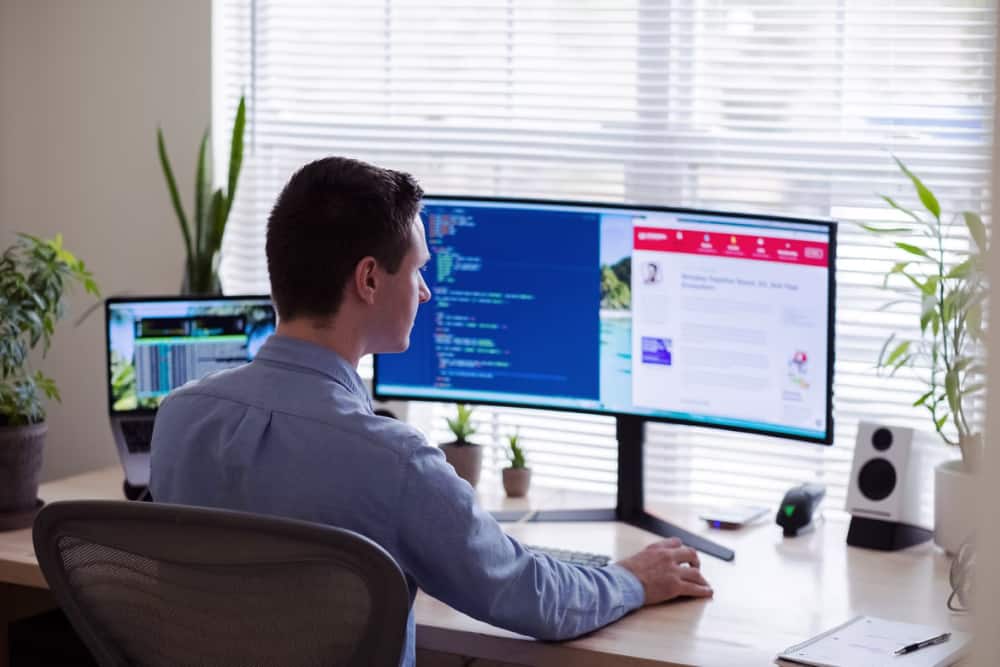
Choosing the right desk chair is vital when working at a desk, especially when you are at home. Your traditional office chair may not be good enough. The chair should be such that you are at eye level with the computer screen to prevent unnecessary muscle strain. The chair should allow you to lower or increase its height, according to your requirements.
The office chairs for back pain should help facilitate good posture. When you are sitting on the chair, your torso and head should be in a straight line to avoid putting stress on the wrong muscles.
The chair needs to support your lower back, so that the spine remains in its natural shape. If needed, you can add a cushion or a rolled-up towel to give support to your back.
If the office chair for neck and back pain is too high and your feet are not supported, then you should put something under your feet. On the other hand, if your elbows cannot rest on the desk in the chair, then you can put a pillow under yourself to reach that height.
With orthopedic office chairs, back pain can be reduced. Your knees and elbows should be at the right angle so that there is no unnecessary weight on your back.
Get a standing desk
Standup desks are a type of ergonomic office desk that allows you to work while standing and are great for that lower back pain desk job. Alternatively, these are desks that can be adjusted so that you can work while sitting and standing as you require. This keeps you in motion, so you are not in one posture for long periods, decreasing chances of getting upper back pain from sitting at a desk.
Using a standing desk can help you change posture every hour or so and you can move about frequently to ease any stain caused. Not having prolonged periods of sitting will also reduce muscle tension and help you with maintaining good posture.
Practice good posture and proper movements
Poor posture is the number one cause of back pain. When standing, your weight should be evenly balanced on both legs and you should not be slouching. When sitting, you need to make sure that your back is supported and the height of the chair is optimal to maintain good posture.
You can decrease the chances of back pain by bending your legs to pick objects up from the ground. If you need to pick something heavy up, bend your knees and go on your haunches. You then pick the object up, and get back on your feet by tightening your stomach and using your thigh muscles, rather than your back.
Try to avoid unnecessary bending, twisting and reaching. Make sure your devices are within reach. If you are using the phone and typing at the same time, turn your call speaker on to avoid holding your phone between your ear and your shoulder.
Frequently change your position so that your body does not get stiff when you sit upright. If you suffer from permanent posture issues due to bending down all the time, you can take up exercises to help maintain good posture. One great option is to do yoga with some great positions such as child’s pose, forward fold and cat cow.
Dealing with back pain

If you suffer from back pain, then you need to learn methods of dealing with it so that you can have an easier life.
- Stay active – Try to exercise regularly, or do yoga
- Posture – Work on your posture so that it is good and natural, easing the strain from your back
- Eating healthy – Make sure to eat healthy food, filled with protein and vitamins. If your back pain is exacerbated because you’re your weight, losing weight can help reduce pain because the back bone will have less weight to carry
- Applying extreme temperature – Putting on cold or hot can help a lot with back pain. Some people find cold helps them more while others like a hot water bottle against their back. The cold temperature is better for swelling or inflammation while a warn temperature helps to relax the muscles
- Acupuncture – Acupuncture is known to provide short term relief from chronic pain, especially back pain
- Over the counter pain relief– If all other methods fail, then as a last resort you can take over the counter pain medicines to help cope with your acute or chronic back pain. If you have chronic back pain, speak to a doctor or consider physical therapy
